Every loss is different, and few people understand this better than the survivors of suicide and overdose. How a griever copes can often depend on who they lost, how old their loved one was when they died and how it happened. And for survivors, the “how it happened” can become as consuming as the loss itself.
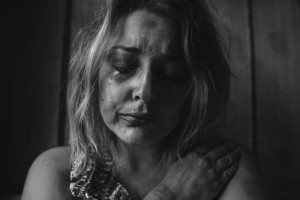
Losing a loved one to suicide and overdose brings with it challenges that other grievers may not have to face, and for some, support can be especially hard to find. Recognizing and getting validation for these obstacles can be an important part of a survivor’s healing.
Here are 5 things that only a survivor of suicide or overdose may be able to understand:
Continue reading Suicide & Overdose: 5 Things only Survivors Understand →


 It’s not unusual for grievers to feel disconnected from the world around them, but for LGBTQ grief and loss, a lack of resources can result in increased seclusion and isolation.
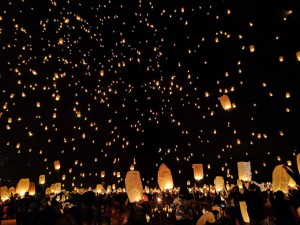 In life before loss, however, there is always the sense that tomorrow is another day. That even if we took the wrong path there would always be the chance to set things right.
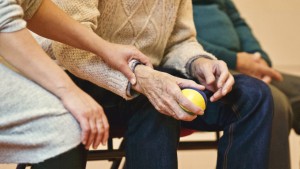 Our worlds can become very small after the loss of a loved one. Grief can create blinders that make it hard to see past anything but our own pain and anguish. It can be challenging to get the help we need and to know how to be supportive…in the past we may have turned to friends and family when we’re hurting, but what happens when they’ve also been
 When I first started facilitating bereavement groups, I sort of assumed that people would be coming for help for “just” one loss. Of course one loss is more than enough…it’s already too much. Yet so many grievers I met were experiencing